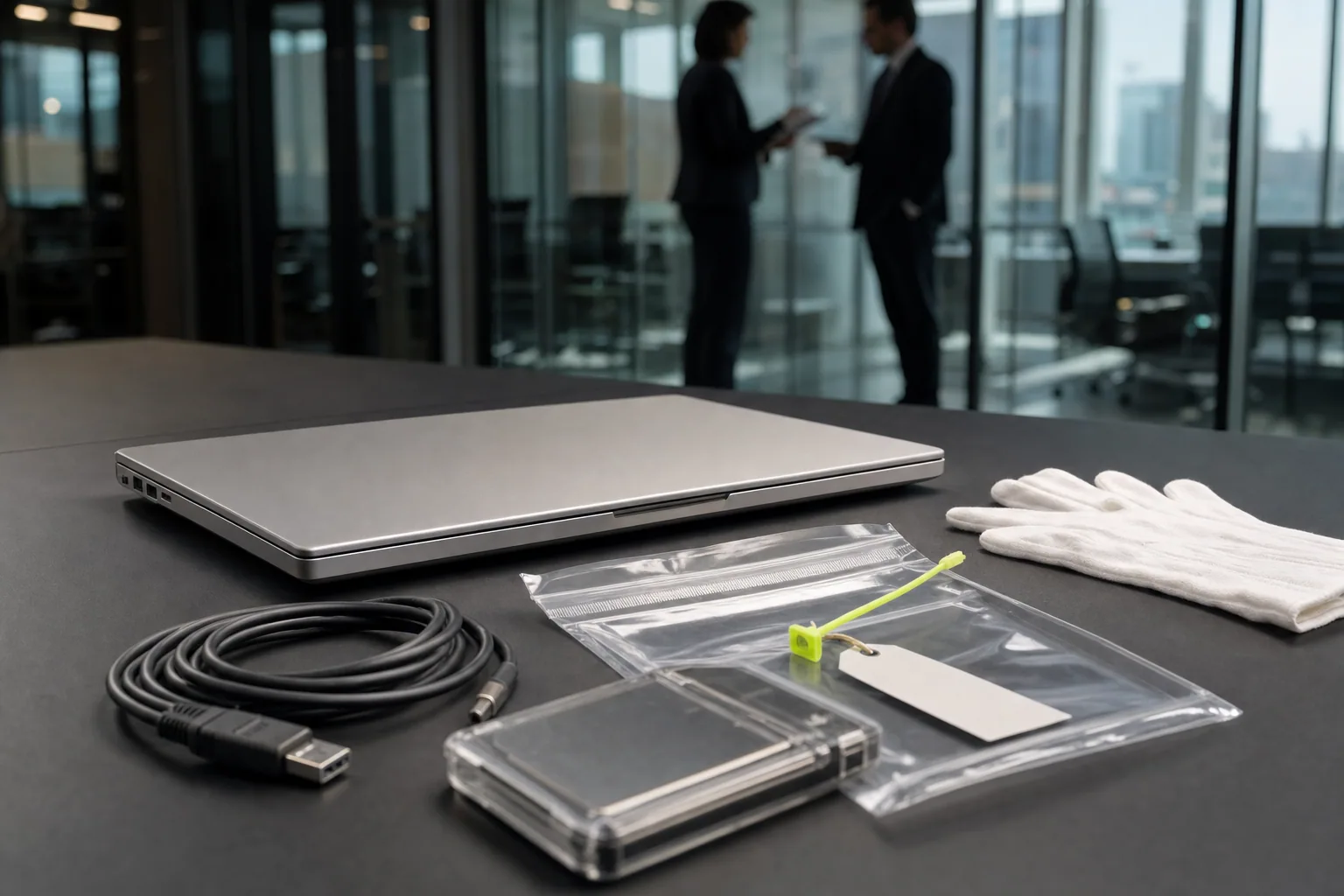
Apple is asking a court to accelerate evidence gathering in its trade-secrets lawsuit against OpenAI, arguing that evidence relevant to the case may be at risk of destruction.
The dispute concerns Apple’s allegation that OpenAI used trade secrets in developing an AI device. It centers on three former Apple employees who joined OpenAI, including Chang Liu.
What Apple alleges
According to a court filing reported by Bloomberg and The Verge, Apple says OpenAI recently provided a MacBook used by a former employee at the center of the case. Apple alleges the device contained discussions about destroying types of forensic data the company says it needs for its investigation.
Apple is consequently pursuing expedited discovery—a process that would move evidence collection forward more quickly than in a typical litigation timeline. The company’s central concern is preservation: that potentially relevant records, device data, or other digital artifacts could be altered or lost before they can be examined.
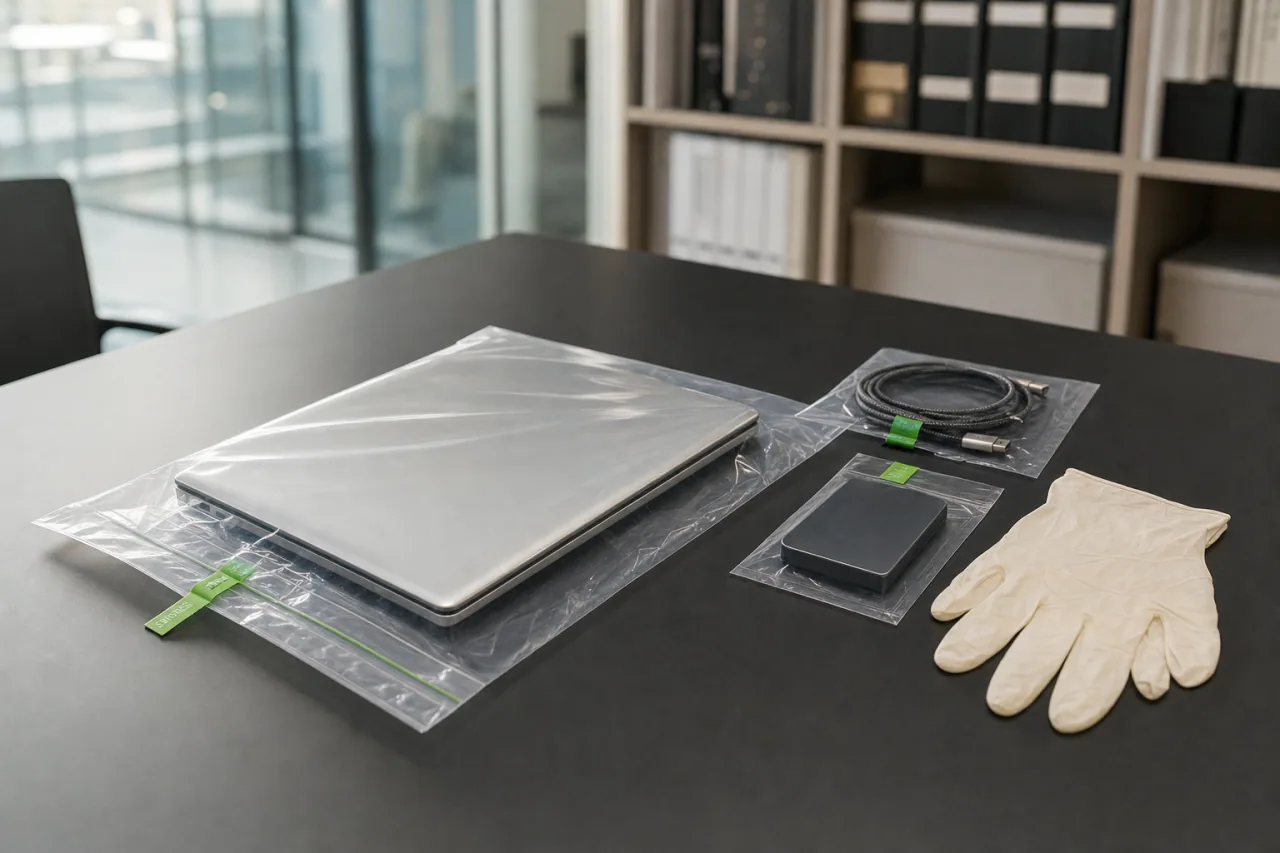
The reported allegation does not resolve whether trade secrets were taken or used. It raises a separate, consequential question about how evidence has been handled after the underlying dispute emerged.
Why the procedural fight matters
For technology companies, early discovery disputes can materially shape the economics and leverage of a case. If a court orders faster preservation and collection, the parties may have to dedicate significant legal, IT, security, and executive resources to identifying devices, accounts, messages, repositories, and logs.
In a case involving departing employees, forensic data can be especially important. Device records and communications may help establish timelines around access to sensitive information, transfers of files, and discussions before or after a job change. They can also become central to determining whether information was retained, deleted, or independently developed.
The issue is particularly sensitive in AI-related litigation, where the alleged value of confidential technical material may be tied to product architecture, model development, hardware plans, or internal research. Even before a court reaches the merits, a preservation dispute can increase pressure on both sides to narrow claims, agree to safeguards, or negotiate.
The operator takeaway
The case is a reminder that hiring from competitors—particularly for work involving emerging products—needs a rigorous operating process, not merely signed employment documents.
Companies recruiting senior technical talent should be able to show that they:
- instruct new hires not to bring or use former employers’ confidential materials;
- document clean-room or independent-development practices where appropriate;
- preserve relevant devices, communications, and accounts promptly once a dispute is anticipated; and
- coordinate legal, IT, security, and people teams before responding to preservation demands.
For founders and executives, the key risk is not limited to whether a new employee possesses sensitive information. It also includes whether the company can later demonstrate that it handled devices and data in a defensible way.
What to watch next
The immediate question is whether the court grants Apple’s request for expedited discovery and what preservation obligations it imposes. The scope of any order could determine how quickly Apple gains access to potentially relevant evidence and how burdensome the case becomes for OpenAI.
Longer term, the litigation will test Apple’s underlying assertion that OpenAI obtained trade secrets connected to an AI device. For now, the battle has moved toward a foundational issue in modern technology disputes: whether the digital record needed to evaluate the claims will still be available.