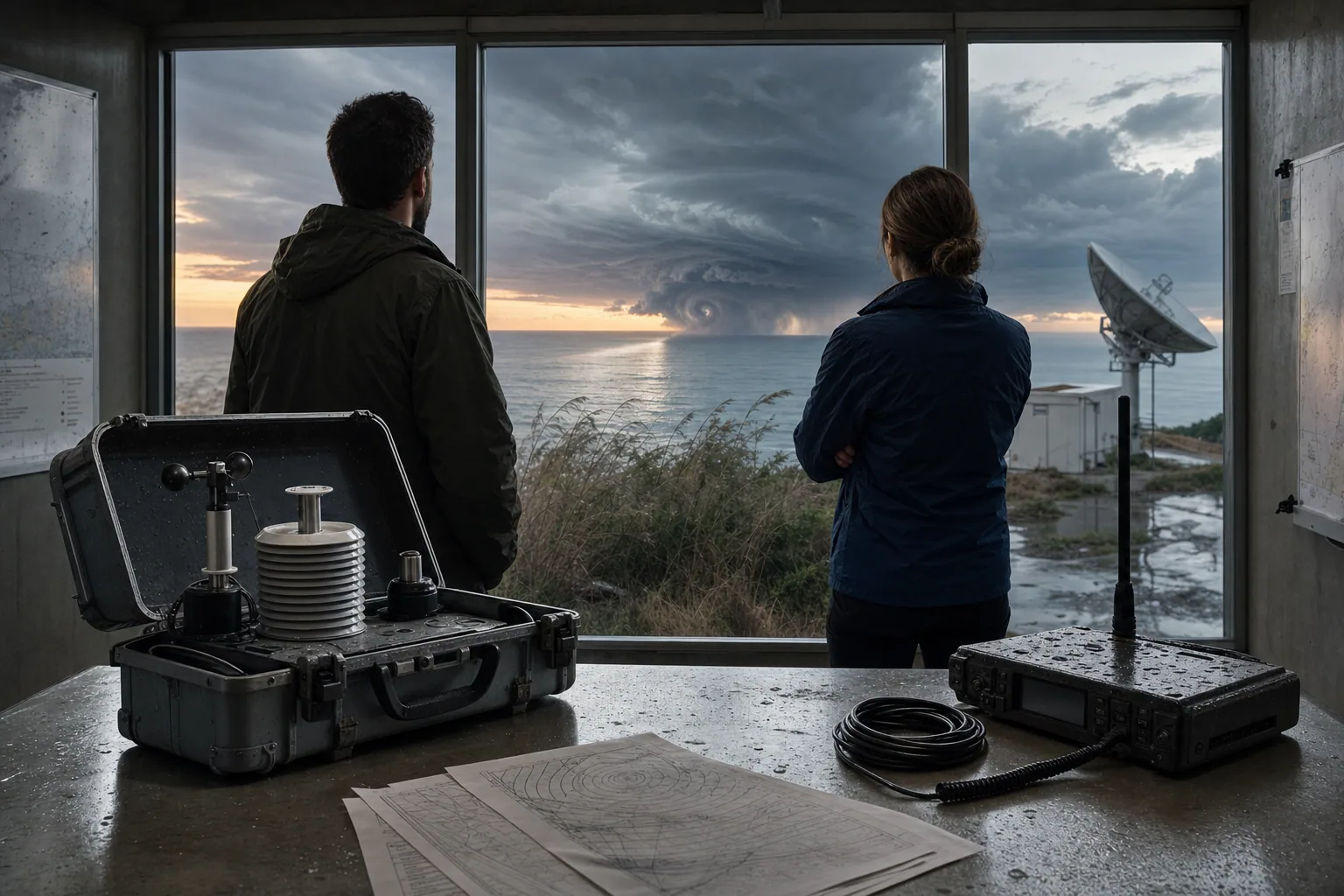
Google DeepMind is highlighting how researchers use AI to predict cyclones, framing the technology’s potential around earlier warnings for communities exposed to extreme weather.
The company’s explanation, published in an “Ask a Scientist” feature, focuses on AI weather prediction and its use in forecasting cyclone-related risks. The core business implication is straightforward: weather forecasting is becoming an increasingly important application area for AI systems that can inform high-consequence decisions.
Why cyclone forecasting is a consequential test case
Cyclones create a demanding environment for prediction systems. The value of a forecast is not limited to identifying that a storm exists; it lies in producing information early enough for people and institutions to act.
Google DeepMind’s stated goal is to help warn communities earlier than before. That makes timing central to the use case. Earlier signals can potentially give emergency planners, utilities, logistics providers, insurers and large employers more time to assess exposure and prepare their responses.
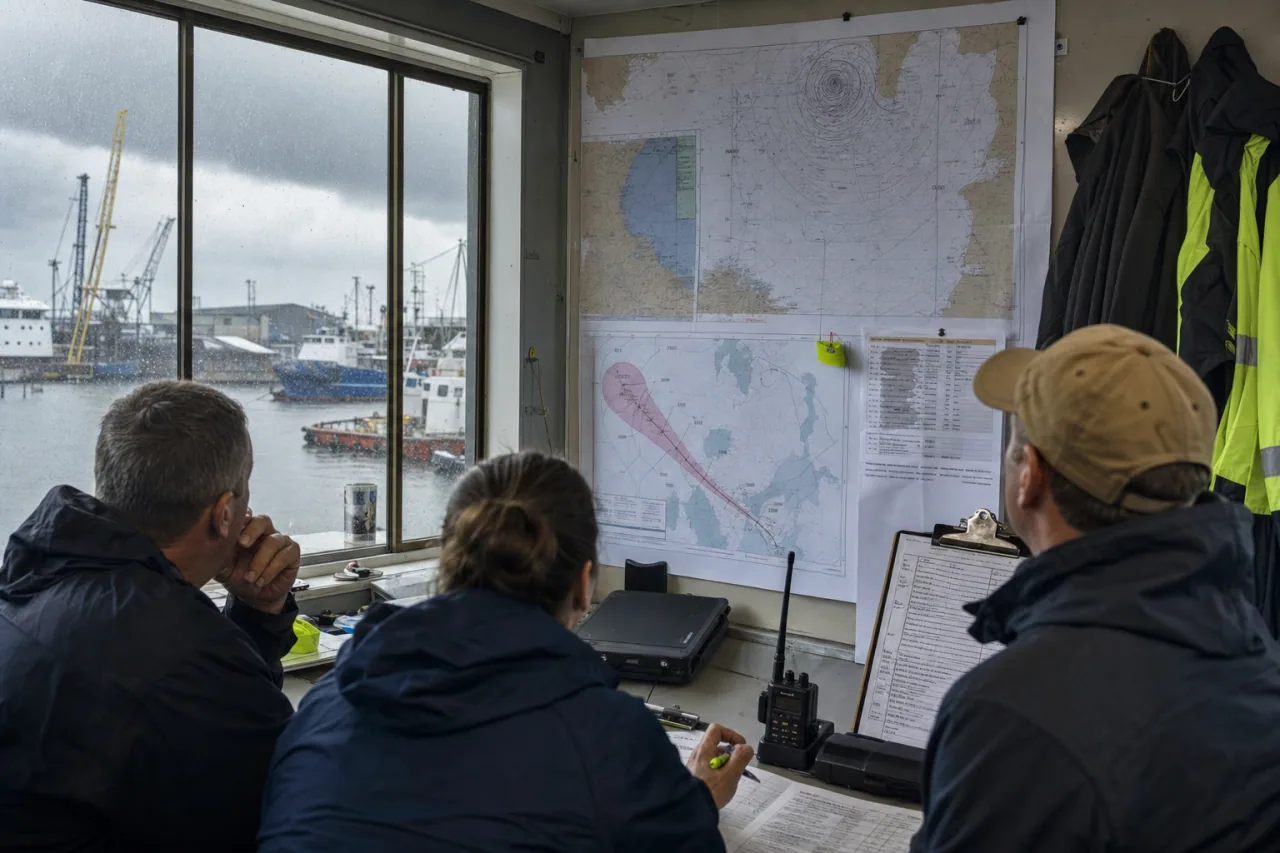
For businesses, the relevant question is not whether an AI model replaces existing forecasting infrastructure. It is whether AI-generated forecasts can become a useful additional input to operating decisions where weather disruption has material costs.
From model output to operational action
The company’s account is a reminder that an AI weather forecast is only one element of a broader warning process. Organizations still need to translate forecasts into practical decisions: when to pause operations, reposition equipment, communicate with employees or customers, and activate contingency plans.
That translation layer is likely to determine the commercial value of advances in weather AI. A more timely or useful forecast does little on its own if it does not reach the teams responsible for acting on it, or if those teams lack pre-defined thresholds and procedures.
This creates an opportunity for builders working in risk software, operational analytics and communications systems. The product challenge is less about presenting a weather map and more about connecting forecast information to location data, assets, workflows and escalation paths.
What companies should watch next
Google DeepMind’s feature signals continuing interest in applying AI models to extreme-weather forecasting. But operators evaluating such tools should focus on evidence that matters in practice: how forecasts perform across different conditions, how far in advance they are useful, and how they compare with or complement established forecasting methods.
They should also distinguish between a research capability and a deployable operational service. Reliability, access, integration, alert design and the ability to explain decisions to stakeholders all matter when forecasts affect safety, supply chains or customer commitments.
For executives, the immediate takeaway is to treat weather intelligence as a business-resilience capability rather than a niche data feed. The organizations best positioned to benefit from better prediction will be those that already know which decisions change when risk indicators shift.
Google DeepMind’s cyclone work places AI in one of the clearest possible real-world contexts: giving communities more time to prepare. The next phase to watch is whether these forecasting advances can consistently support the institutions and companies that must turn warning into action.