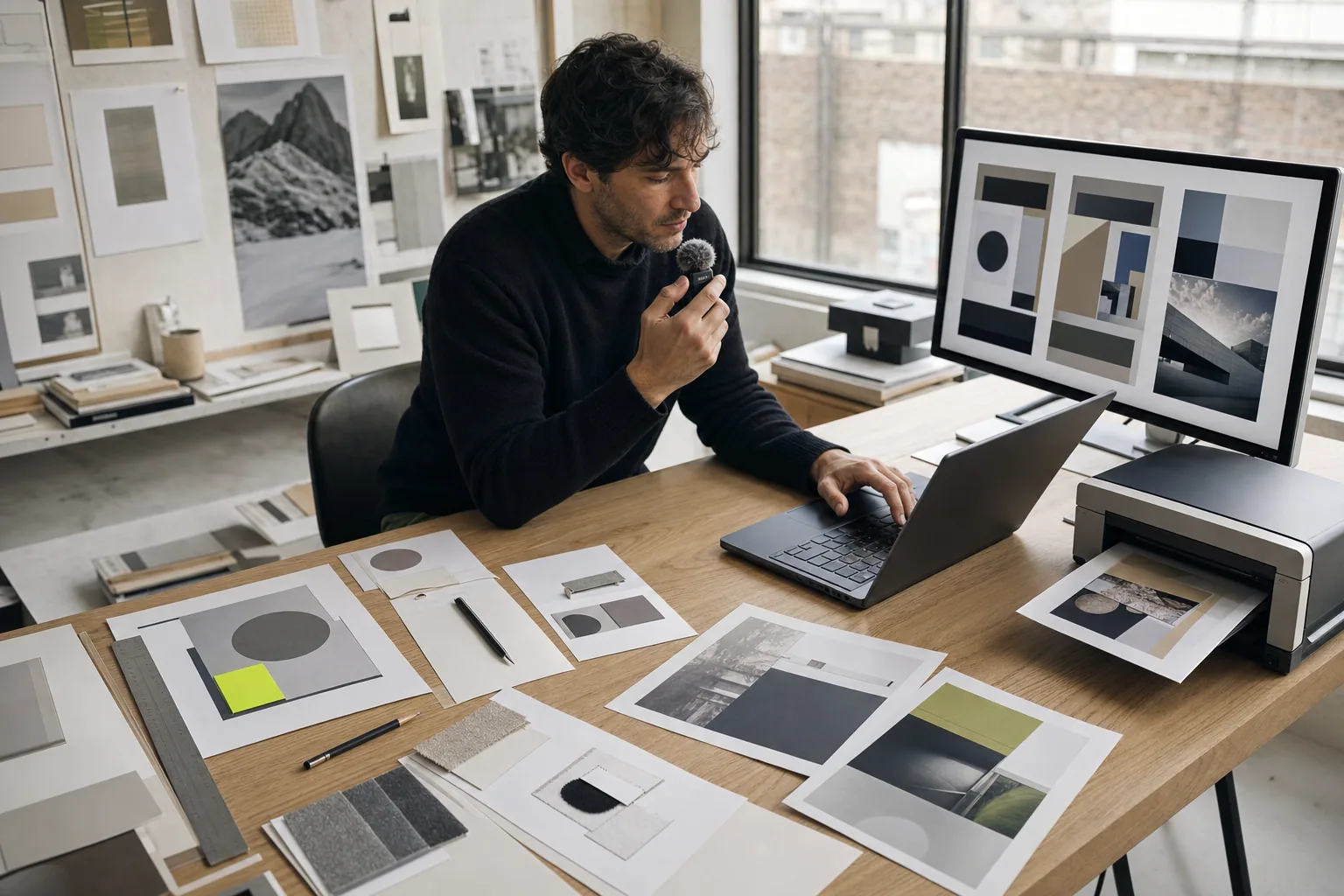
Google is pushing further into the creative software market with Google Pics, an AI-first tool that frames visual creation less as a design task and more as a prompting task.
The product enters a category dominated by Canva and Adobe, where users have traditionally worked through templates, editing panels, assets and increasingly AI-assisted features. Google’s approach, as described by TechCrunch, is more direct: tell the tool what you want instead of assembling the design yourself.
What changed
Google Pics represents a deeper move by Google into software used for everyday creative work. The company is targeting a broad class of users who need visual materials but may not have formal design skills or the time to learn a traditional creative suite.
That makes the competitive distinction important. Canva has made design more accessible through templates and simplified editing tools. Adobe has long served professional creative workflows while adding generative AI capabilities. Google Pics appears to place the prompt at the center of the workflow from the outset.
Why it matters for businesses
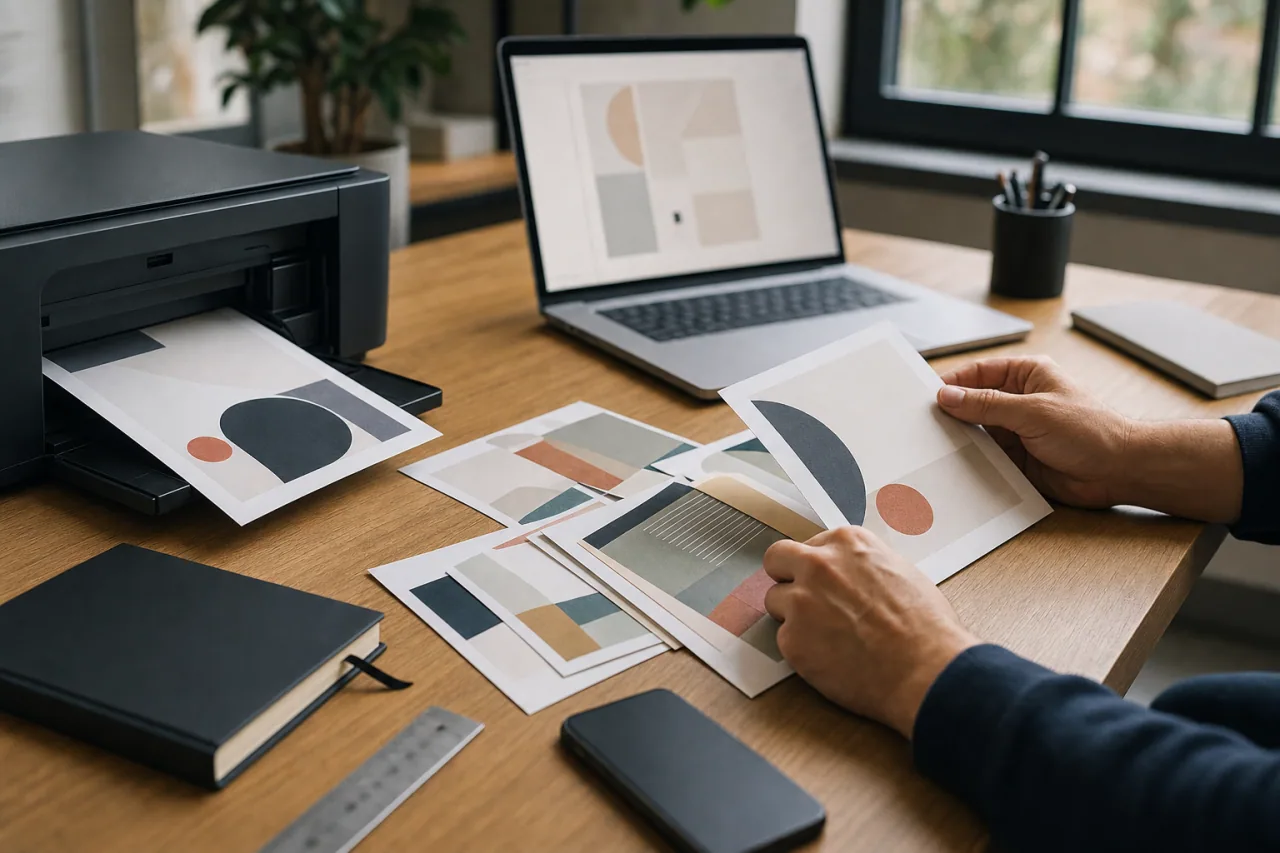
For operators, founders and internal communications teams, the appeal of prompt-first creative tools is speed. Teams regularly need presentations, social assets, marketing visuals and other design work, often without a dedicated designer attached to every request.
A tool that reduces the process to describing an intended result could lower the amount of manual work required to get from an idea to a usable draft. It could also shift more design production into the hands of people in marketing, sales, operations and product teams.
But simpler creation does not automatically solve the harder business problem: whether outputs match a company’s brand, messaging and quality standards. As AI-generated creative tools spread, organizations will need to decide where self-service is appropriate and where review by designers or brand teams remains necessary.
A more direct competitive test
Google’s entry adds pressure to an already active market. Canva and Adobe are not just design tools; they are established workflow systems with user bases, asset libraries and familiar editing conventions.
Google Pics’ challenge will be whether prompting is meaningfully easier than existing template-based and AI-assisted workflows, while still giving users enough control over the final result. A prompt-first interface can reduce friction at the beginning of a project, but business users may still need to revise details, preserve consistency and make outputs fit specific channels.
What to watch next
The key question is how far Google Pics goes beyond one-off image generation. Its practical value for business users will depend on the types of creative tasks it supports and how easily teams can turn generated work into repeatable, usable assets.
Also worth watching is how Google positions the product within its broader software ecosystem. If the tool becomes connected to the places where teams already create documents, presentations and campaigns, it could have a clearer route into day-to-day business workflows.
For now, Google Pics signals that the next competition in creative software may be less about who offers the biggest library of templates and more about who can make intent easiest to translate into a finished visual.